| Home page | Documents and materials | Library | Author's books | Contacts |
| Главная страница | Документы и материалы | Библиотека | Книги автора | Контакты |
Retrospective Staff Wargame "NATO vs. the Warsaw Pact" during NATO Exercise "United Shield-2008"
From September 22 to 27, 2008, the combined exercise "United Shield-2008" was conducted in the Federal Republic of Germany (FRG) under the direction of General Sir Richard Dannatt, Chief of the General Staff of the British Army. The exercise was exploratory in nature, aimed at revitalizing operational art within the British Army. Since the end of the Cold War, a new generation of commanders had seen their command and control skills at the operational-strategic level diminish, largely due to a prolonged focus on peacekeeping operations in the Balkans and counter-insurgency efforts in Afghanistan and Iraq.
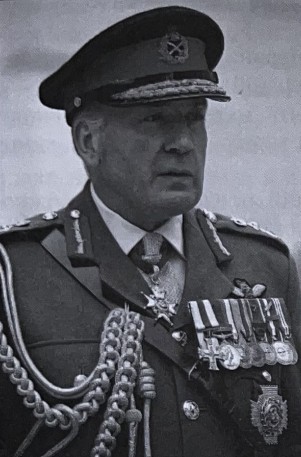
Photo 1. General Sir Francis Richard Dannatt.
The exercise involved over 200 general-grade and senior officers from eight NATO member states and Ukraine. They analyzed the "war that never was" between NATO and the Warsaw Pact, using 1988 as the baseline for evaluating strategic and operational planning on both sides. The consideration of the 1988 NATO "General Defence Plan" served primarily as a catalyst of debate on the nature of future warfare, based on the premise that the core tenets of military strategy and operational art remain enduring.
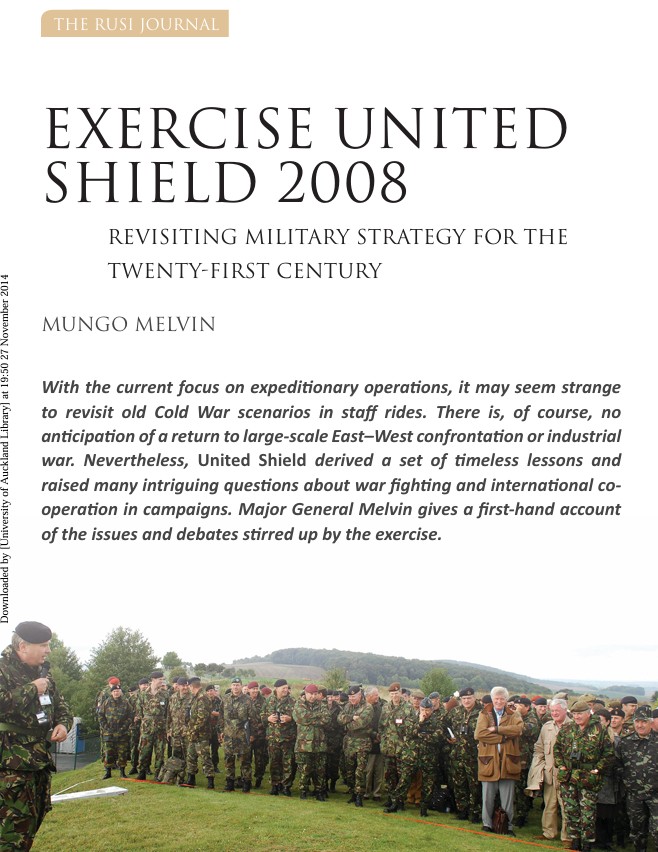
A detailed account was provided by Major General M. Melvin, who acted as the commander of British forces in Germany at the time of exercise. His article, "EXERCISE 'UNITED SHIELD-2008': REVISITING MILITARY STRATEGY FOR THE TWENTY-FIRST CENTURY," was published in "The RUSI Journal" (Vol. 154, No. 3, June 2009, pp. 36-43). Melvin writes:
«We analysed operations from the NATO perspective at a variety of viewpoints to the west of the former Inner German Border. The area nested by Braunschweig; Wolfenbüttel; Salzgitter; Hildesheim; Hannover; the Mittellandkanal and north to Celle was familiar to all the former commanders and most of the senior serving officers. Here we reviewed delaying, defensive and counter-offensive schemes of manoeuvre in order to draw out what has changed today in terms of capabilities at brigade, divisional and corps levels».
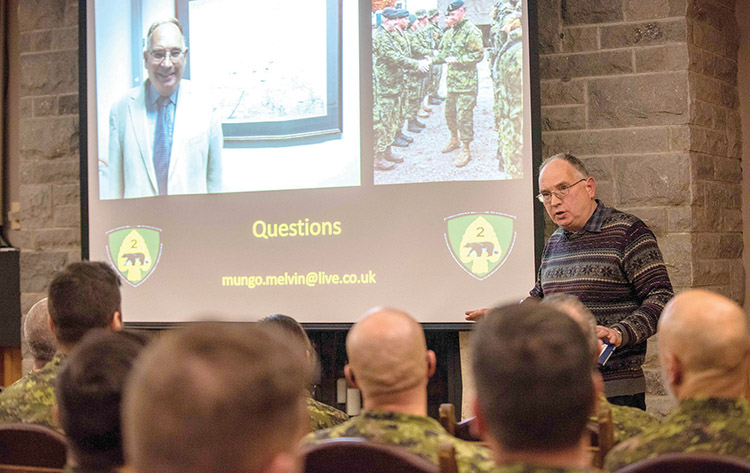
Photo 2. Major General Mungo Melvin.
Given the lack of experience among active-duty commanders, the exercise leadership brought in a large group of retired generals who had commanded major formations during the Cold War. In particular, a special role was assigned to the Ukrainian military delegation, whose performance was subsequently lauded in the highest terms. Those interested may consult the article by Major General M. Melvin.
The link to the article opens by clicking on the image below:
 .
.
We, in turn, will present Ukrainian reports on this exercise, as they significantly supplement the information on the staff game.
Major General M. Melvin:
«Rounding out the Command Group was the Ukrainian delegation of nine serving officers and civilians, led by General of the Army Vitalii Radetskiy, Director of the Ukrainian Defence Academy and Colonel General Ivan Svida, Commander of the Ground Forces of Ukraine».
From the Ukrainian report:
«In accordance with the decision of the Minister of Defence of Ukraine dated 22 August 2008, and at the invitation of General Sir Richard Dannatt, Chief of the General Staff of the British Army, a delegation from the National Defence Academy of Ukraine departed for the combined British-German-American exercise "United Shield-2008". The observer delegation included: General of the Army of Ukraine V.G. Radetskyi, Commandant of the National Defence Academy of Ukraine; Associate Professor of the Department of Operational Art, A.S. Korkishko; Senior Research Fellow of the Academy’s Research Centre, M.M. Chepura; and Captain S.A. Fedechkin, instructor at the Academy’s Foreign Languages Department, serving as interpreter».
The exercise area covered the central and southwestern regions of the FRG, extending to a depth of 600–700 km. For the first time in the history of the British General Staff, the exercise was conducted as a "Staff Ride," incorporating elements of terrain reconnaissance and numerous modular seminars. The success criterion was the quality of discussions and debates within the allotted timeframe. The closest equivalent to this form of operational training in the Soviet Armed Forces would be the "Operational Field Ride" (operativnaya polevaya poyezdka) for senior commanders and staff of an operational-strategic formation (a Group of Forces or a Military District), featuring the phased execution of operational-strategic tasks in accordance with a plan approved by the General Staff of the USSR Armed Forces.
Following one of the seminars, Major General M. Melvin noted:
«General Radetskiy turned out to be one of the stars of the staff ride, making a number of lively presentations and pertinent observations».
The session in question was a modular seminar held in the Olympischesdorf, which previously served as the garrison for the 35th Motorized Rifle Division of the Group of Soviet Forces in Germany (GSFG). The seminar featured presentations comparing the daily lives of GSFG personnel and those of the British Army of the Rhine (BAOR). British professor Richard Holmes detailed the specifics of service in the BAOR, relations with the local population, and the scale of operational and combat training within NATO’s Northern Army Group (NORTHAG). In turn, General of the Army V.G. Radetskyi delivered a report on the nuances of tactical-level combat training and garrison service within the GSFG. The highest position Radetskyi held during the Soviet era was that of a Tank Army Commander.
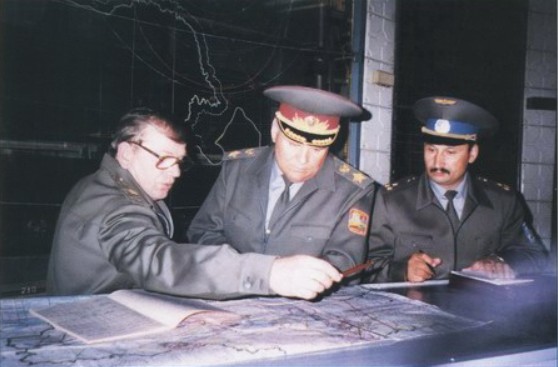
Photo 4. General of the Army of Ukraine V.G. Radetskyi.
The audience directed numerous questions toward Radetskyi. Those who had held high-ranking positions within NATO structures during the Cold War concluded that their assessment of the GSFG's combat readiness—specifically regarding the time required to transition Soviet troops to a 'ready-for-war' status—had been significantly overestimated. This miscalculation could have proved fatal at the outbreak of an actual conflict.
During the debates, it was concluded that the majority of combat operations would have occurred not in the countryside—where troops actually exercised—but in urban areas, which were typically bypassed during maneuvers to ensure the safety of the civilian population. Furthermore, it was noted that NATO conducted few live-fire exercises at the regiment-to-division level, whereas Warsaw Pact units and formations carried them out annually. It was also acknowledged that NATO’s Northern Army Group had been rightly concerned about the advanced capabilities and assets of the enemy's combat engineers.
From the Ukrainian report:
«At the next location, participants examined the operational situation along the main axis of advance of the 1st Front’s 3rd Shock Army within the defensive sector of an armored brigade covering the West-East Germany border (referred to in NATO terminology as a 'shaping operation'). Additionally, they analyzed the potential nature of combat operations by the 3rd Shock Army (comprising three motorized rifle divisions and one tank division) during an offensive against NORTHAG. The analysis highlighted the dispersed nature of NORTHAG's corps, the difficulties of their operational deployment, and the challenges in occupying designated defensive positions in a timely manner. Attention was also drawn to the offensive methods employed by the Soviet Armed Forces during World War II, specifically encirclement techniques as demonstrated by the 2nd and 3rd Ukrainian Fronts during the Jassy–Kishinev Strategic Offensive. According to NATO experts, the primary weakness of NATO forces was their multinational composition, which created systemic issues in planning and executing operations. Each national corps commander was required to clear his operational intent with national authorities before reporting it to the Commander of NORTHAG…
…The Commander of I (BR) Corps repeatedly drew attention to the quality of the corps' operational planning. He expressed dissatisfaction with the fact that within NORTHAG, operations were invariably planned with insufficient depth and scale, and decisions were predominantly made at the tactical rather than the operational level».
A demonstration phase of the exercise, involving British and German troops, was conducted across several training areas.
The link to the video opens by clicking on the image below:
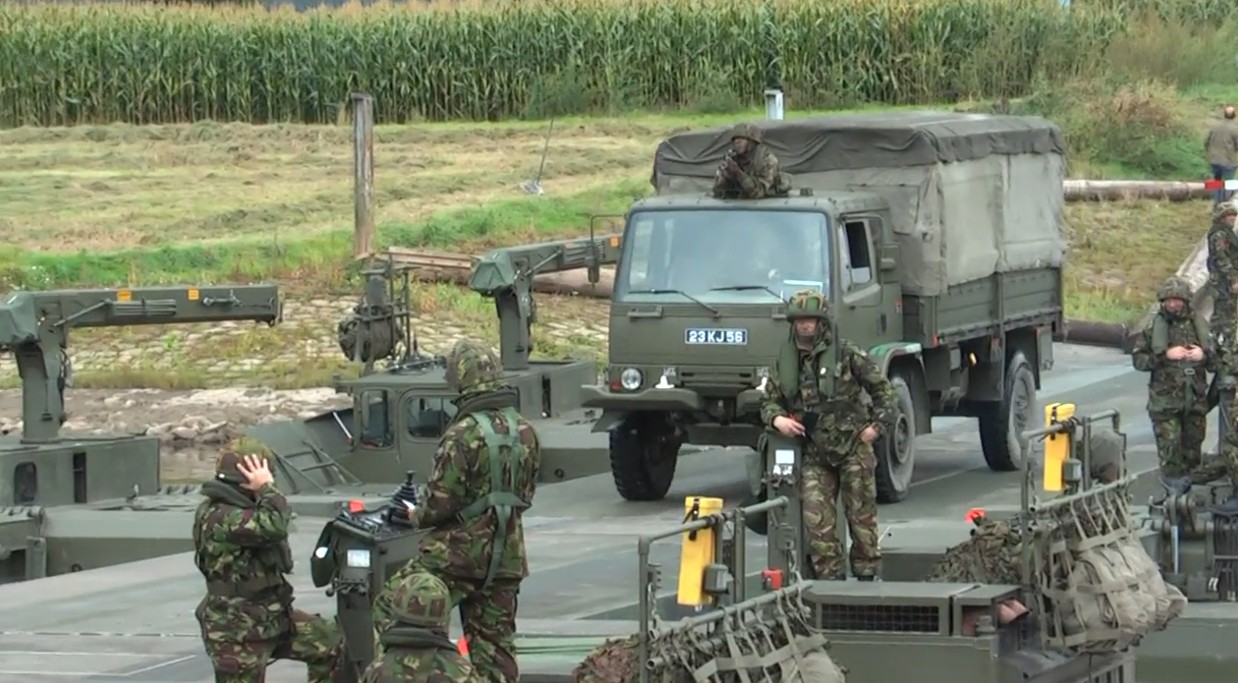
Following the demonstration, participants discussed the execution of counterattacks within NORTHAG’s defensive sector, including the employment of reserves at the operational level, and examined the challenges of modern offensive operations. In the 1980s, the concept for such a counter-stroke was developed by the Commander of NORTHAG, General Sir Martin Farndale. During the discussion, participants once again reaffirmed the validity and relevance of its principles.
"Marshal Dickov Plan".
Since the exercise focused on the defensive and offensive operations of 'the hypothetical war that never happened,' the leadership prepared a comprehensive reference Exercise Handbook. This manual outlined key doctrinal principles and featured excerpts from articles and memoirs detailing the strategic situation as it stood 20 years prior in West and East Germany. It also included data on the groupings of forces and the potential operational-strategic employment of both NATO and Warsaw Pact armed forces. Significant emphasis was placed on NATO intelligence regarding enemy force concentrations, the possibility of a surprise attack, deception operations, and the warning time available to NATO forces. Furthermore, the handbook analyzed the parties' operational preparations and the anticipated course of battle on the North German Plain, comparing perspectives from that era with contemporary military thought.
Major General M. Melvin:
«The overall aim of this period was to present the strategic and operational level perspective of the former Warsaw Pact, using a number of historical planning assumptions. Further, in order to drive an operational level decision-making problem towards the end of the staff ride, I had asked Charles Dick, a former head of the Soviet (latterly, Conflict) Studies Research Centre to write a purely fictional Soviet scheme of attack based on doctrinal norms…This was soon christened the ‘Marshal Dickov Plan’ and led to an amusing incident. Entirely unbeknown to us, there had indeed existed in the USSR's General Staff Plans Department a very Russian Colonel General Dickov. Our Ukrainian friends not only wanted to know how we had got hold of a heavily classified document from such a respected figure, but then went on to criticise constructively some of its grand design!»
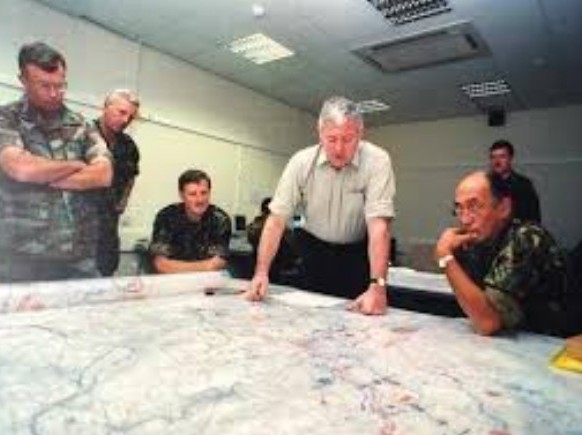
Photo 5. British expert Charles J. Dick (left) and Colonel General S.А. Dikov (right), former Deputy Chief of the General Staff of the USSR Armed Forces (1986–1989) and Executive Secretary of the USSR Defense Council.
The Ukrainian report failed to address the ambiguity caused by linguistic discrepancies and the overlap in Dickov’s identity and rank during the 1988 period. As a result, Charles Dick was not cited in the findings:
«One military theorist highlighted the organization of the Strategic Offensive Operation (SOO) conducted during this exercise by the Soviet Armed Forces and Warsaw Pact states. The operation targeted the North German Strategic Direction across the entire depth of the Northern Army Group operational layout, with a secondary thrust towards the Jutland Peninsula, spanning a total duration of 10 days. The Operational Design of the SOO comprised the 1st and 2nd Fronts, second strategic echelons, combined-arms reserves, and groupings of various service branches and special forces. Furthermore, he noted the lag in the operational-strategic deployment of NORTHAG forces, as well as the fact that USAF assets were scheduled for redeployment from CONUS to Europe only by D3 of the strategic operation».
Based on these initial data points as a scenario injection, participants were tasked with developing a Course of Action for NORTHAG forces. For the vast majority of the personnel involved, this proved to be a significant challenge due to a lack of command experience at the strategic and operational echelons.
Major General M. Melvin:
«Groups were given a limited amount of time to consider a developed ‘Dickov’ scenario – that confirmed all their worst fears – and to come to an outline decision with suitable justification. Notwithstanding the evident artificialities of this little test, the variation in response and approach was significant. It was striking how quickly two members of the Ukrainian delegation (a retired lieutenant general and a serving major general) came to producing a clearly drawn graphical scheme of manoeuvre from the ‘enemy’ viewpoint».
The Opposing Force solution, including both the Decision Graphic and Narrative, was rapidly developed by retired Lieutenant General A.S. Korkishko. General Korkishko’s professional background includes serving as the Chief of the Main Operational Directorate of the General Staff of the Ukrainian Armed Forces (1992–1996). During the period analyzed in the exercise (1988), he served as the Chief of the Operations Directorate and First Deputy Chief of Staff of the Baltic Military District. Consequently, the planning of operations within the North German Strategic Direction fell directly under his area of competence. Unlike his NATO counterparts, General Korkishko possessed the requisite command-level experience in large-scale strategic planning.
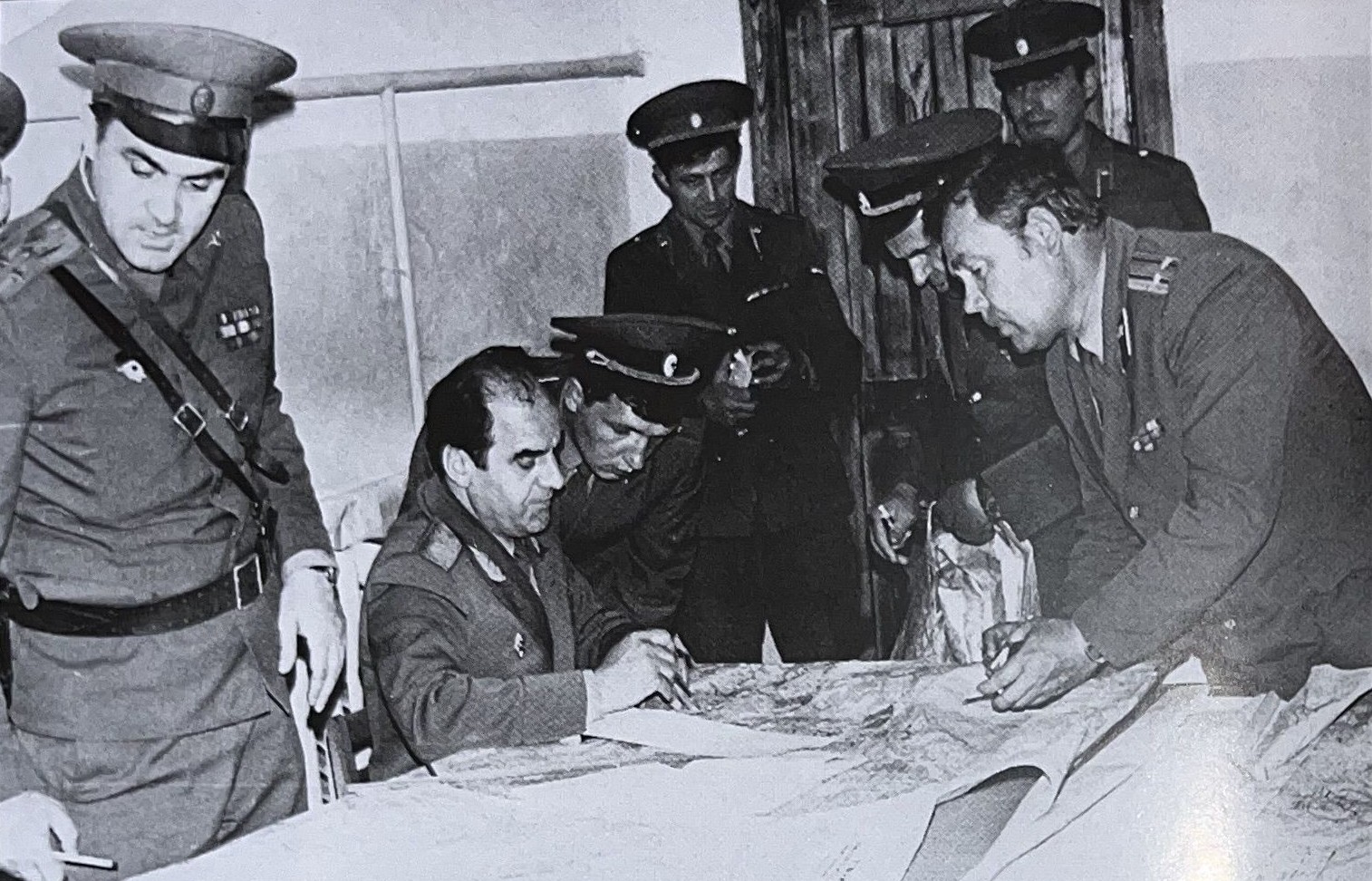
Photo 6. Chief of Operations, Baltic Military District, A.S. Korkishko (seated) during the operational-tactical exercise planning for the 11th Guards Army, 1986.
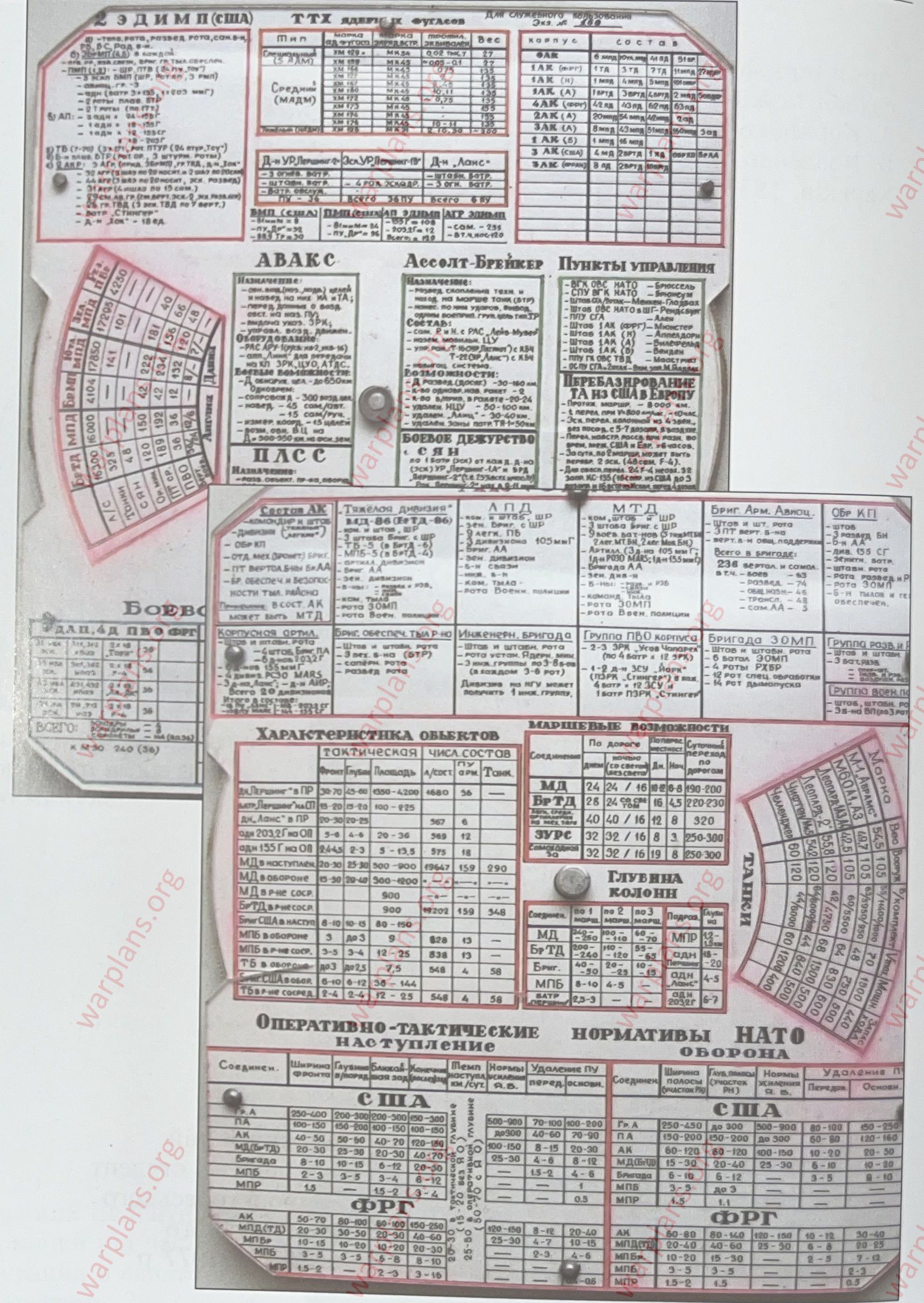
Фото 7.
Personal
data folio
of the Chief of Operations
A.S. Korkishko containing
order of battle data on NATO forces within the North German Strategic Direction.
Circa 1980s.
Drawing upon his extensive expertise and operational background, Lieutenant General A.S. Korkishko provided a comprehensive assessment of the British research findings:
«The core premise of the exercise was the 'conditional, hypothetical execution in 1988' of a Strategic Offensive Operation by Warsaw Pact forces against NATO's Northern Army Group. The projected order of battle featured two Fronts in the first echelon—generated from Groups of Forces—with subsequent augmentation by the second strategic echelon and combined-arms reserves of the USSR and Warsaw Pact. During the exercise, the training audience practiced the preparation of a NORTHAG defensive operation, including delaying actions, defensive maneuvers, counter-offensive operations, and exploitation to repel aggression and restore the territorial integrity along the eastern border of the FRG…
Despite the positive aspects of the exercise, in my view, there were several significant deficiencies overlooked by both the scenario developers and the staff groups during the planning and decision-making phases… The following remained undefined:
British officers participating in the exercise noted the continuous enhancement of the combat capabilities and combat potential of the GSFG. Following General Secretary of the CPSU Central Committee Leonid Brezhnev’s 1982 declaration of a 'No First Use' nuclear policy, British analysts concluded that the conventional combat potential of the Soviet Armed Forces had increased sufficiently to allow for such a strategic constraint. During the exercise, it became necessary to explicitly caution participants to distinguish between military capabilities and the political will or intent to employ them. The issue was not merely that Soviet and Warsaw Pact exercise scenarios typically began with a politically calibrated narrative of repelling NATO aggression. Rather, the crux of the matter was that, on the eve of the 1988 exercise, GSFG had received directives to transition to a new table of organization and equipment. This restructure aimed to bolster defensive capabilities by intentionally reducing offensive strike potential.
Concurrently, a fundamental shift occurred in operational-strategic training methodologies. A prime example was the Front-level Command Post Exercise conducted by the GSFG in March 1988. For the first time in decades, the training focused on the execution of a Strategic Defensive Operation.
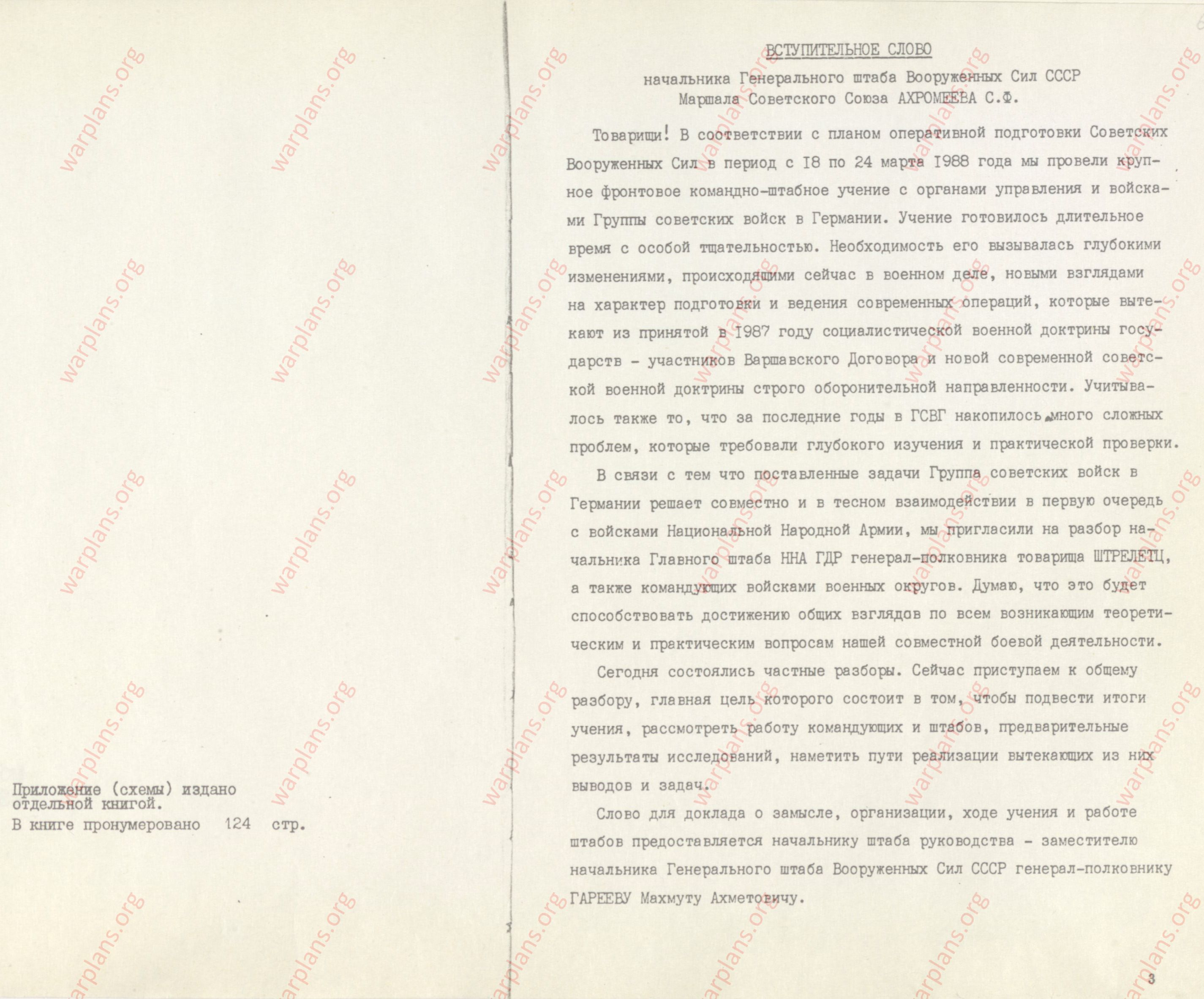
Photo 8.
Title page of the after-action review for the GSFG Front-level Command Post
Exercise, March 1988
Equally compelling is the evidence regarding the 'transition to defense' provided by General of the Army V.G. Radetsky (from an interview conducted in the spring of 2022):
«In 1988, I was defending my thesis at the Military Academy of the General Staff of the Soviet Union. I was initially assigned one topic, but then the Head of the Department of Strategy, Colonel General Karpov, summoned me. He said, 'We have decided to change your topic, because we currently lack research on offensive and defensive operations in large industrial regions.'
And which territory do you think I chose? I took this specific industrial region: Rostov, Donetsk, Luhansk, Zaporizhzhia, and Dnipropetrovsk… Later, I was invited to remain at the Academy to pursue a PhD based on this work. My thesis was incorporated into the curriculum as a standard problem set used for officer training».
The aforementioned is sufficient to ensure that military historians do not mistake these staff games for mere reenactments of Cold War scenarios.
N.Saichuk